
What Your Eye Doctor Checks During a Comprehensive Eye Exam - Beyond Just Glasses
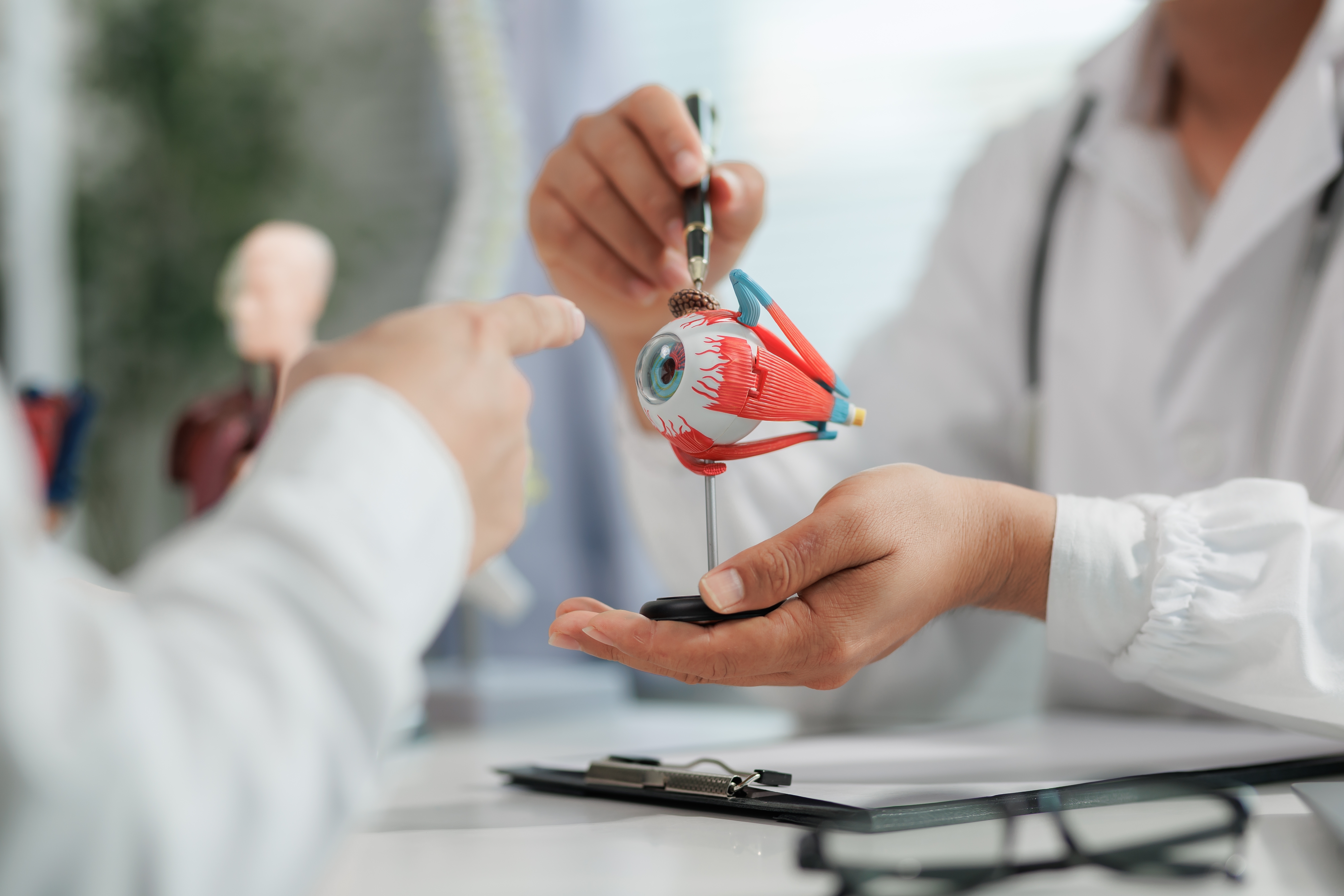
A comprehensive eye exam is about much more than updating your glasses or contact lens prescription. While clear vision matters, your eye doctor also checks the overall health of your eyes, how well they work together, and whether there are early signs of conditions that could affect your sight over time.
Routine eye exams are an important part of preventive health care. Many eye conditions develop slowly and may not cause noticeable symptoms right away, which is why regular visits matter even if your vision seems fine.
Your Vision And Prescription
One of the first things your eye doctor checks during a comprehensive eye exam is how clearly you can see at different distances. This helps determine whether you are nearsighted, farsighted, have astigmatism, or need an updated prescription.
Your doctor may ask you to compare different lens options to find the clearest and most comfortable vision. This part of the exam helps ensure your glasses or contact lenses support your daily needs, whether you are driving, working on a computer, reading, or spending time outdoors.
Eye Teaming And Focusing
Clear eyesight is only one part of healthy vision. Your eyes also need to work together smoothly. During a comprehensive eye exam, your eye doctor may evaluate how well your eyes focus, track movement, and coordinate as a team.
Problems with eye teaming or focusing can contribute to headaches, tired eyes, double vision, or difficulty concentrating while reading. These issues are especially important to check in children, students, and adults who spend long hours on digital screens.
Eye Pressure And Glaucoma Risk
A comprehensive eye exam often includes checking your eye pressure. This test helps your eye doctor evaluate your risk for glaucoma, a condition that can damage the optic nerve and lead to vision loss if left untreated.
Because glaucoma may not cause obvious symptoms in the early stages, regular eye exams are one of the best ways to detect concerns before they progress. Your doctor may recommend additional testing depending on your age, family history, eye pressure, or overall eye health.
The Health Of The Front And Back Of The Eye
Your eye doctor also examines the structures of the eye, including the cornea, lens, retina, blood vessels, and optic nerve. These areas can reveal important information about both eye health and overall wellness.
During your exam, your doctor may look for signs of:
- Cataracts or cloudy vision changes
- Dry eye or irritation on the surface of the eye
- Retinal changes related to diabetes or high blood pressure
- Macular degeneration or other age-related concerns
- Inflammation, infection, or eye injury
These checks help your eye doctor identify problems early and recommend care based on what your eyes need.
Why Routine Eye Exams Matter
Many people wait until they notice blurry vision before scheduling an eye exam. However, a comprehensive eye exam can detect changes before they become obvious. This is especially important if you have a family history of eye disease, diabetes, high blood pressure, frequent headaches, eye strain, or changes in night vision.
For patients, routine eye care can also help keep prescriptions accurate, monitor long-term changes, and protect vision at every stage of life. Children, adults, and seniors all benefit from regular exams tailored to their needs.
More Than A Prescription
Getting new glasses may be part of your visit, but it is not the only purpose of a comprehensive eye exam. Your eye doctor is checking how you see, how your eyes function, and whether there are signs of eye disease or other health concerns.
Schedule your comprehensive eye exam with The Eye Guys in Texarkana, TX at our Texas Blvd location by calling (903) 792-3705, our Moores Ln location by calling (903) 329-5051, or our Idabel, OK location by calling (580) 245-0700.


Visit Us At Our Locations
Idabel
Moores Ln
Texas Blvd

Quick Links
Our Locations
Office Hours
- Mon-Fri: 8:00am - 5:00pm
- Sat: Closed
- Sun: Closed
© 2026 The Eye Guys. All rights Reserved. Accessibility Statement - Privacy Policy - Sitemap
Powered by:
